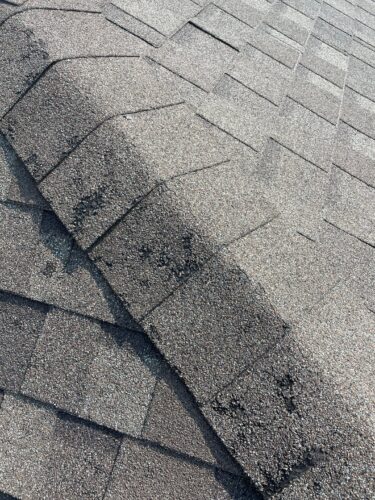
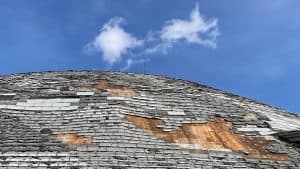
Roof damage after winter in Calgary often shows up on the first mild day after a deep freeze. A drip starts running down the wall, a stain appears near a vent, or shingles suddenly look worse than they did a week ago. What changed was not just the temperature. It was the freeze-thaw cycle finally catching up with the weak spots in your roof.
A while back, CBC highlighted what homeowners should watch for when the big thaw hits Calgary, especially attic rain, ice dams, and moisture showing up around vents and bathroom fans. We wanted to go a little deeper here and focus specifically on the roofing side of that problem.
That said, this is not meant to make every homeowner panic. A newer roof that was installed properly as a complete roofing system should hold up well for a long time. Good shingles, proper ventilation, solid flashing details, and correct attic airflow all matter. But even newer homes can run into trouble if something was rushed, installed poorly, or never balanced properly in the first place.
After an extended deep freeze, the impact on your home can still be serious. From cracked shingles and flashing problems to ice dams, attic moisture, and hidden roof leaks, winter damage often reveals itself during the thaw, not during the coldest stretch itself.
Understanding what to watch for, how to reduce the risk, and when to call in a professional can save you thousands in repairs and a lot of stress.
Freeze-Thaw 101: How It Damages Your Roof
Calgary’s freeze-thaw cycle is one of the biggest threats to your roof, especially after an extended deep freeze. When temperatures swing from freezing to above zero, small vulnerabilities can turn into real roofing problems.
The Science: Water Expansion and Roof Damage
- Water expands by about 9% when it freezes.
- When melted snow or ice seeps into small cracks in shingles, flashing, or masonry, it refreezes overnight and pushes those openings wider.
- Over time, that cycle can break down roofing materials and lead to loose shingles, leaks, and structural stress.
Common Roofing Problems from Freeze-Thaw Cycles
- Cracked and Lifted Shingles – Expansion pushes shingles out of place, leaving them more vulnerable to wind and water.
- Ice Dams and Water Backups – Melted snow refreezes at the roof edge, blocks drainage, and forces water under shingles. Learn more in our guide to ice dam removal and prevention in Calgary.
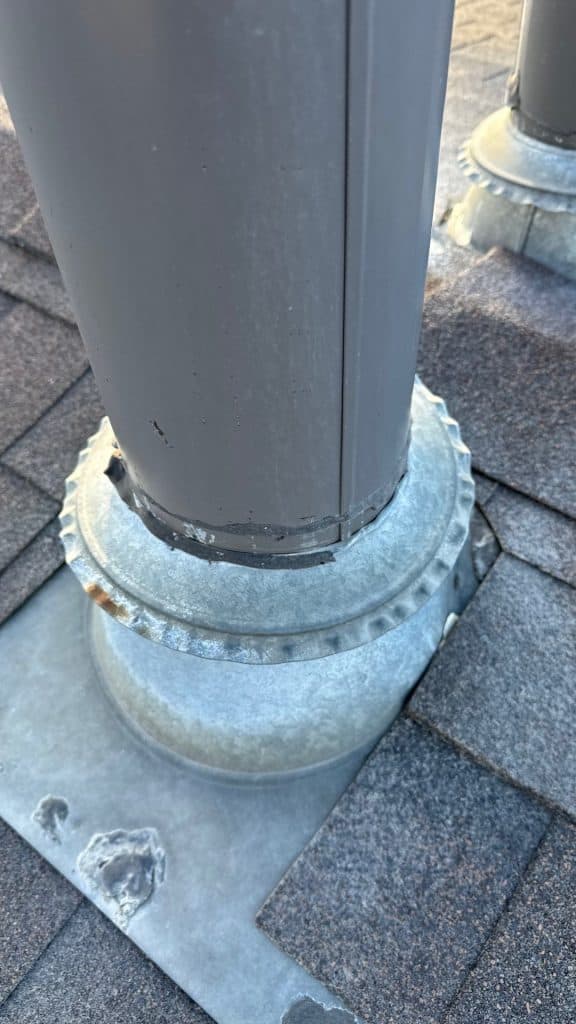
- Flashing and Sealant Failure – Constant expansion and contraction can loosen seals around vents, chimneys, and skylights and slowly let water in.
- Attic Condensation and Attic Rain – Warm indoor air meets cold roofing surfaces, causes frost buildup, and later starts dripping indoors during the thaw.
What to Watch For After a Deep Freeze
The damage usually shows up in two stages: during the deep freeze and during the thaw. The important thing is not to overreact to every little detail, but to know which signs are worth paying attention to.
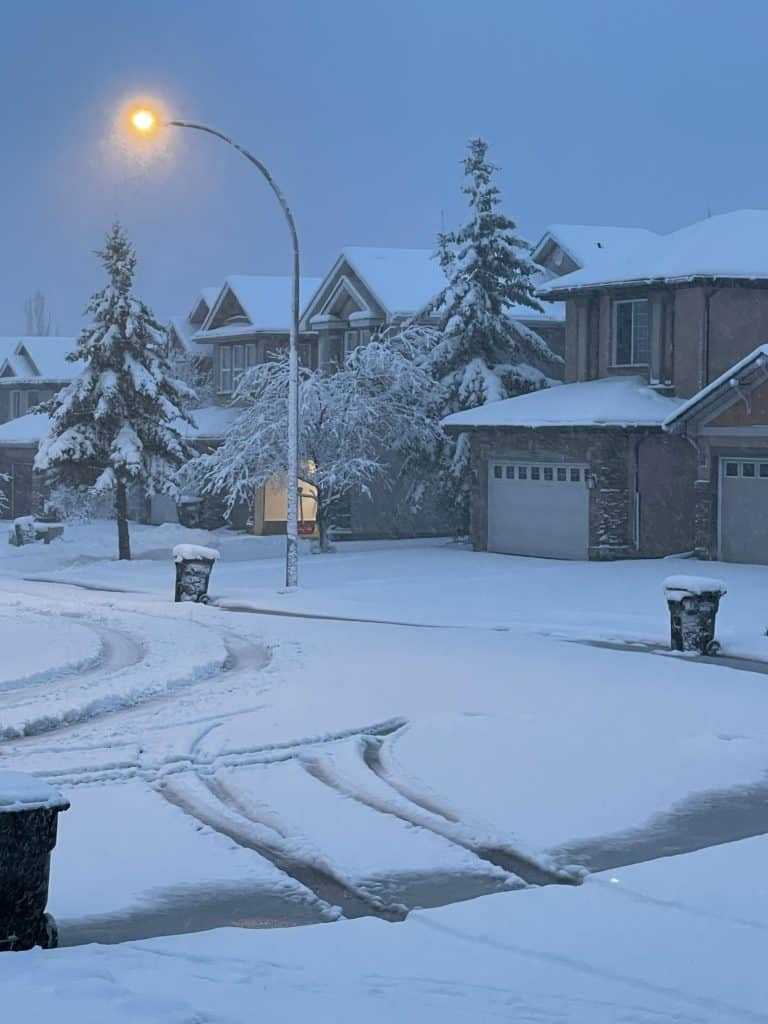
During the Deep Freeze: Early Warning Signs
Even before things start to thaw, cold weather alone can expose weak points. A few of the most common ones are:
1. Frost Building Up in the Attic
If warm indoor air is leaking into the attic, it can condense on cold surfaces and freeze. That frost often shows up on roof decking, nails, or insulation. Then, once the weather warms, it melts and starts looking a lot like a roof leak. Attic frost is one of the easiest winter warning signs to miss. This is especially important for newer homeowners, because a newer house can still have ventilation or air-sealing issues if the system was not balanced properly.
2. Ice Dams and Heavy Icicle Formation
A few icicles are not automatically a problem. But a thick ridge of ice along the roof edge is a different story. That usually means heat is escaping, snow is melting unevenly, and water may be getting trapped where it should be draining away.
3. Frozen or Solid Gutters
If your gutters are packed with ice, melting snow has nowhere to go. That can force water back toward the roof system and create problems at the edges, especially on homes that already struggle with drainage or debris buildup.
4. Unusual Sounds from the Attic or Roof Area
Sometimes homeowners do notice more creaking, popping, or general sound transfer during big temperature swings. That does not automatically mean something is wrong with the roof itself. In some homes, it can also be a sign that insulation or attic separation is not doing enough to buffer sound and temperature the way it should. This is a softer clue than the others. On its own, this is not something to panic over, but if it shows up along with moisture, drafts, or other warning signs, it is worth mentioning during an inspection.
During the Thaw: When Problems Finally Show Themselves
Once temperatures rise and the melt starts, this is usually when homeowners notice that winter left a mess behind.
1. Water Stains or Dripping Indoors
Water stains or dripping indoors are one of the biggest red flags. It can mean melted attic frost, an ice dam issue, or a hidden leak around flashing, vents, or another roof detail. If you are seeing stains around ceilings, walls, vents, or chimneys, especially on warmer days, it is worth taking seriously. Our guide to Calgary roof leaks can help you understand what to do next.
2. Loose, Curling, or Missing Shingles
Roof edges and more exposed areas often show the first signs. If shingles start looking rough right after a winter stretch, pay attention. A newer roof should not usually be failing here unless it was damaged, installed poorly, or there is a larger system issue behind it.
3. Damp Insulation in the Attic
Sometimes it is a leak. Sometimes it is condensation. Either way, it means moisture is getting where it should not be, and that can quickly turn into bigger problems with mould, reduced insulation performance, and interior staining. If insulation feels damp, something is off.
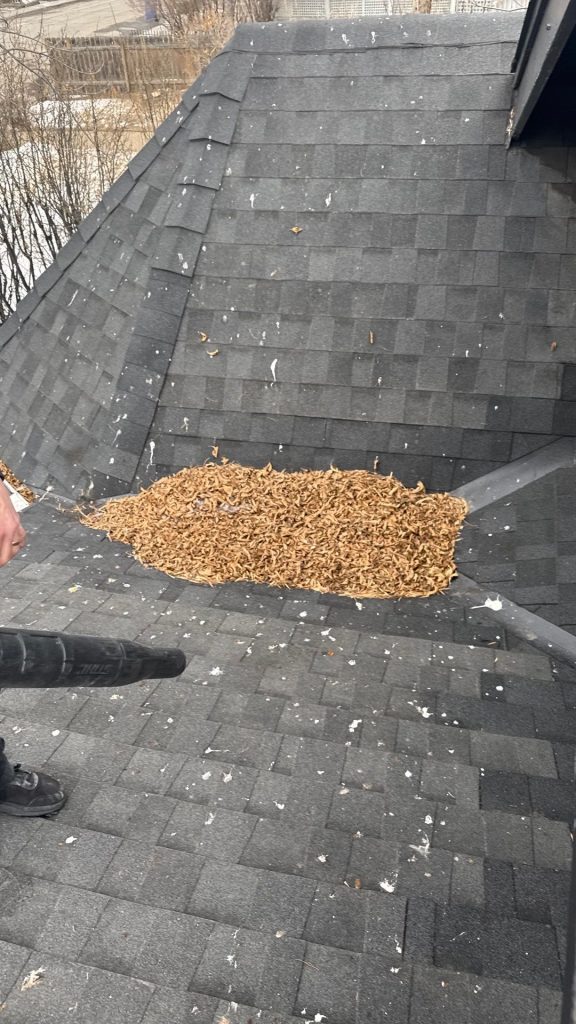
4. Gutters Pulling Away, Overflowing, or Collecting Debris
In some homes, this is one of the first clues that ice buildup and poor drainage have been working against the roof system. Gutters that sag, leak, or pull away are worth noticing.
5. Heating Bills Suddenly Jumping
It may point to heat loss, weak insulation, or ventilation problems in the roof and attic system. It is not proof by itself, but it is worth connecting with the rest. If your energy bills spike and nothing else has changed, it can be another clue.
Most of the time, the right response is not panic. It is simply to notice the pattern early and deal with it before the next weather swing makes it worse.
How to Reduce the Risk Next Time
The best protection is a roofing system that works together properly. That means shingles, flashing, ventilation, insulation, drainage, and attic airflow all doing their job instead of fighting each other.
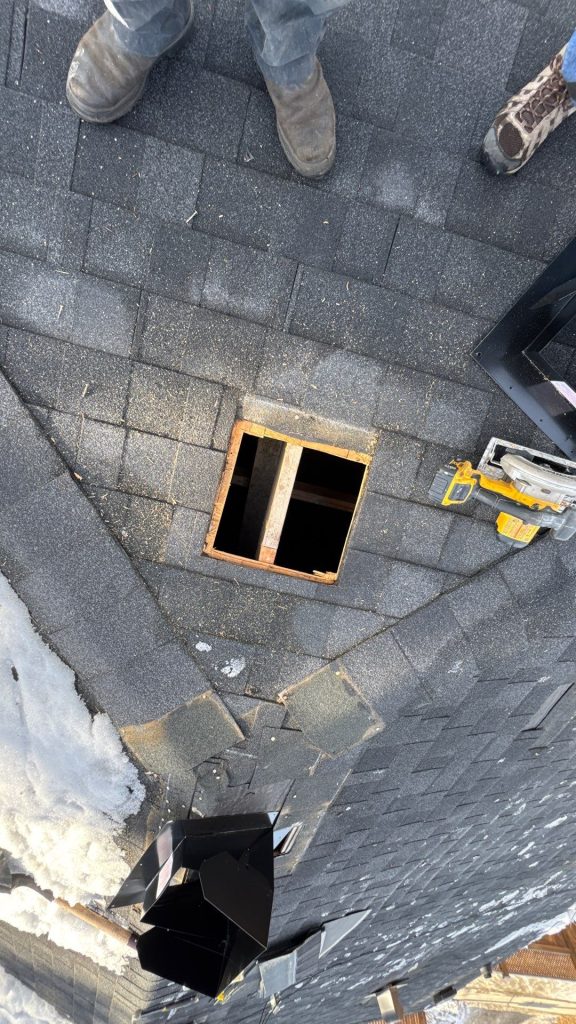
Improve Attic Insulation and Ventilation
Good insulation and good ventilation do a lot of the heavy lifting. If either one is off, snow melts in the wrong places, moisture builds up, and your roof starts dealing with stresses it should not have to.
Keep Gutters and Roof Edges Clear
Blocked gutters, trapped debris, and heavy snow buildup all make drainage worse. Even a good roof can struggle if water cannot move off it properly.
Pay Attention to Flashing and Penetrations
Chimneys, vents, skylights, and roof transitions are often where winter problems first show up. When they do fail, the symptoms can look like a general roof leak even though the real problem is much more specific.
Book an Inspection When Something Feels Off
A spring roof inspection is usually the smartest next step. If you have noticed stains, missing shingles, ice dam issues, or attic moisture, get it looked at. Not every problem turns into a major repair, but catching the right one early can save a lot later.
Final Thoughts: Stay Aware, Not Alarmed
Freeze-thaw damage is common in Calgary, but it does not mean every roof is one warm day away from failing. A properly installed roof with solid ventilation and good maintenance should hold up well. The real issue is when weak spots, poor airflow, rushed installation details, or aging materials get exposed by winter.
If something seems off after a deep freeze, it is worth taking a closer look. And if you are unsure, Whalley’s offers professional inspections to catch problems early. A quick assessment now can save a lot of money and stress later.
That is worth keeping in mind as weather-related repair costs keep climbing across Canada, something recent StatsCan reporting has also highlighted. Staying on top of smaller roofing issues early is one of the best ways to avoid larger repair bills later.