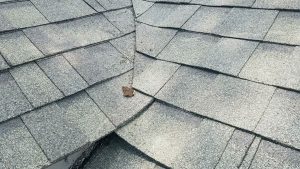
If you had a new high-efficiency furnace installed recently, your Calgary attic may be worth a check now that the cold season is behind us. Not because the furnace is automatically a problem, but because it is often the first question that helps us understand what changed inside the home.
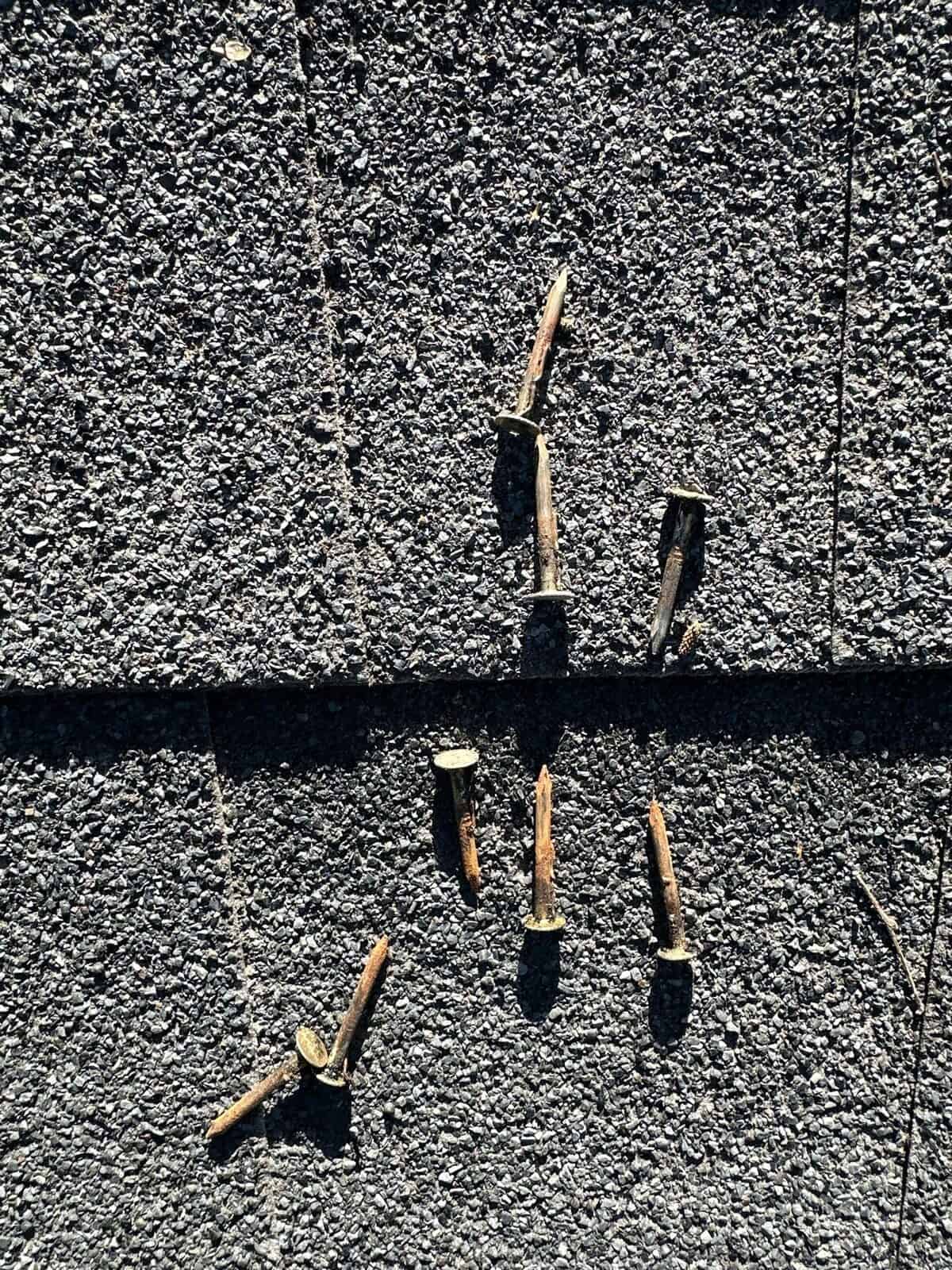
During moisture-related roof inspections, our team will often ask: did you get a new furnace? A furnace upgrade can change air movement, humidity, and how the home dries. New windows, doors, insulation, air sealing, pot lights, electrical work, or other renovations can do the same. Those changes can be useful clues when we are looking at attic condensation, rusty nails, wet insulation, or what looks like a roof leak but may actually be attic rain.
New High-Efficiency Furnace and Attic Moisture
A new furnace does not usually create roof moisture on its own. The better way to think about it is that a newer heating system can change the balance inside the house.
Natural Resources Canada explains that heating, cooling, and ventilation all affect how a house operates. It also notes that sealed-combustion equipment can reduce uncontrolled air changes in the home, which may cause humidity levels to rise if ventilation and moisture control are not considered.
That does not mean the furnace is bad. It means the home may be less drafty than it used to be. Older homes and older heating setups often leaked more air. That was inefficient, but it also meant moisture escaped more easily. When a home becomes tighter, the same humidifier setting or daily moisture load can have a bigger effect.
Quick fact: In Germany, many well-sealed homes rely on a daily habit called luften: opening windows briefly to dump stale, humid air and bring fresh air back in. Calgary homes are built differently, but the lesson is the same. A tighter home still needs a way to breathe.
Other Home Upgrades Can Change Humidity Too
The furnace is usually the easiest question to ask first, but it is not the only possible clue. New windows can reduce drafts. New exterior doors and weatherstripping can tighten the building envelope. Air sealing and insulation can improve comfort while also changing attic drying patterns. Pot lights, wiring, ceiling repairs, or attic hatch changes can create small air leaks into the attic.
Natural Resources Canada notes that air leaks through chimneys, vents, plumbing pipes, electrical boxes, ducting, and other attic penetrations can lead to moisture-related problems. Ventilation helps, but it does not fix warm, humid indoor air leaking into the attic in the first place.
Leftover Winter Moisture and Attic Rain in Calgary
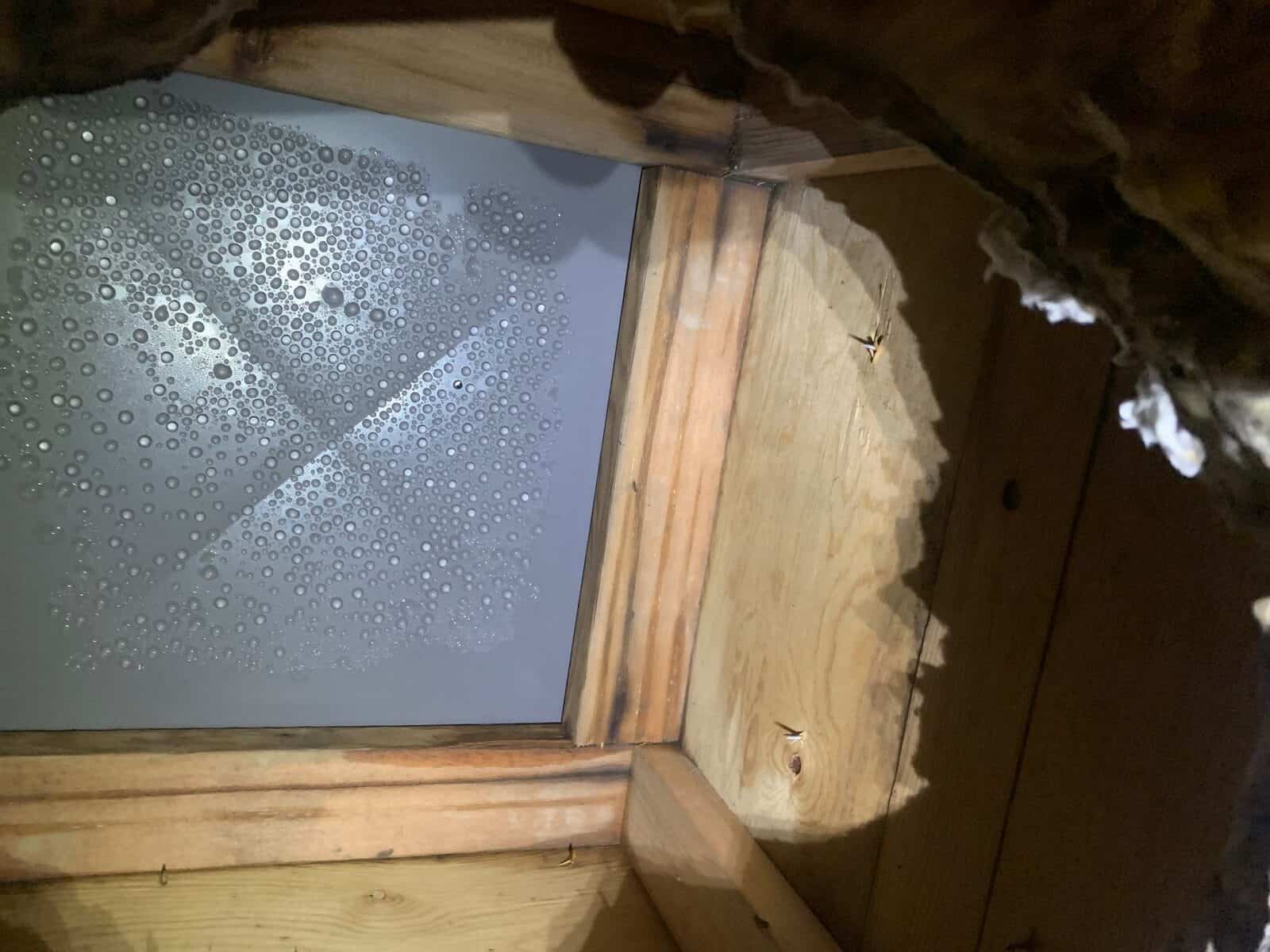
Calgary weather makes attic moisture more noticeable because the temperature difference between inside and outside can be extreme. Warm indoor air rises. If it leaks into the attic during a cold spell, it can freeze on the underside of the roof deck or around vents and framing.
The Alberta New Home Warranty Program explains that attic rain happens when moisture carried by air movement accumulates as frost in the attic during extended cold weather, then melts when temperatures rise. CBC Calgary has also reported on how attic rain is often mistaken for a roof leak because the water can show up at ceilings, walls, or light fixtures after a cold snap.
The concern may start in winter, but it may not be obvious until spring or early summer. Sometimes it takes more than one winter-thaw cycle before staining, rust, wet insulation, or soft decking becomes clear.
Easy Attic Moisture Checks Homeowners Can Spot
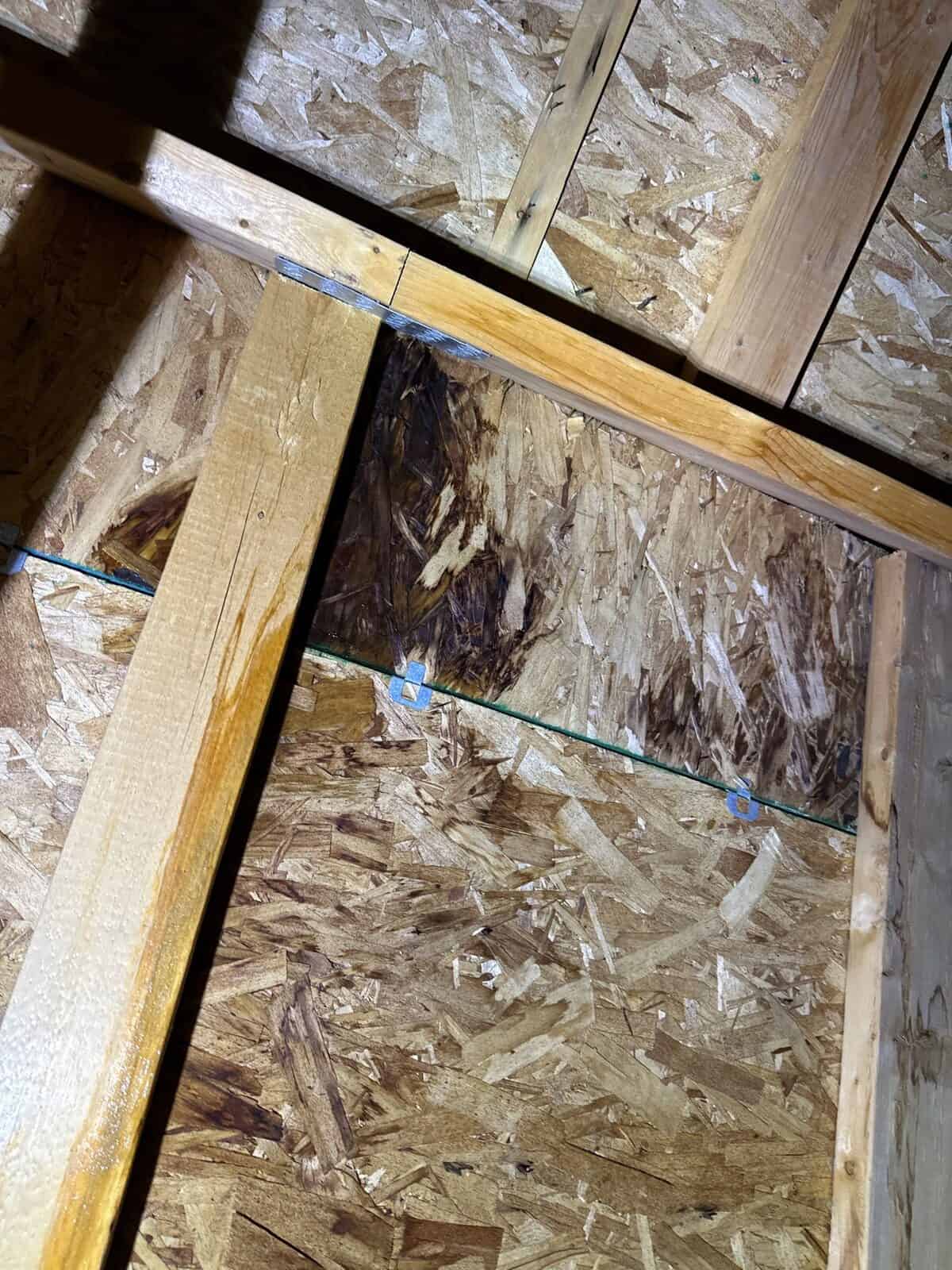
You do not need to inspect your whole roof system yourself. But if you can safely pop your head into the attic without stepping off the framing or disturbing insulation, a few clues are easier to spot.
- Rust on roofing nails or metal fasteners
- Dark staining on the underside of the roof deck
- Wet, compacted, or discoloured insulation
- Mould or mildew smells in the attic
- A bathroom fan or dryer duct that is loose, disconnected, or blowing into insulation
- Insulation pushed tight into the eaves where soffit intake air should enter
- Small points of daylight near intended vents or eaves on a sunny day, which can help show where airflow paths exist
- Obvious daylight through a damaged roof opening, missing vent cover, or large hole, which is not the same thing as healthy ventilation
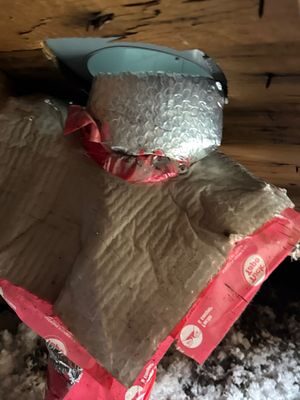
Bathroom fans and dryer vents are worth checking because they should exhaust outdoors, not into the attic. If a fan duct is loose, disconnected, crushed, or dumping air into insulation, it can add moisture exactly where the roof system is trying to stay dry.
Other Causes We Check During a Roof Inspection
The harder part is figuring out why the moisture is there. It might be related to a furnace upgrade, but it could also be a humidifier setting, blocked soffits, missing baffles, bathroom exhaust, pot lights, attic hatch leakage, insulation changes, or the way a vaulted ceiling was built. That is where photos and a proper attic check matter more than guessing.
For deeper background, see our guides on roof condensation problems, attic rain in Calgary, and humidifiers and roof damage.
Calgary Roof Ventilation Needs Intake and Exhaust
“An attic is like a car full of warm, damp air. Crack one window and it does not clear very well. Open windows on both sides and now the moisture has a path.”
Matt Whalley, Whalley’s Four Seasons Roofing
Roof ventilation in Calgary works the same way. Air needs to enter low, usually through soffits, and exit high, through roof vents or ridge vents. If the intake is blocked, the exhaust is undersized, or the roof cavity has no clear path for airflow, moisture can sit where it should not.
This matters in summer too. Calgary roofs see major temperature swings, and our posts on Calgary’s drastic temperature changes and hot summer temperatures and your roof explain why ventilation matters beyond winter.
Insulation and Ventilation Fixes Are Not Always Major Repairs
The right fix depends on what is actually happening in the attic. Sometimes we install additional roof vents where they are needed so air can move properly. Sometimes the issue is not a lack of vents at all, but blocked intake at the soffits.
Insulation can also be part of the story. Blown-in insulation is helpful when it is done properly, but if it blocks the soffit intake, the attic can lose the airflow it needs from the bottom. In some cases, an easy redistribution of insulation or clearing of the air path is all that is needed.
Vaulted ceilings and tight roof assemblies need even more care. Depending on the construction technique, there may still need to be airflow between the roof deck and the inside ceiling assembly. Adding too much insulation in the wrong place, or closing off the wrong air space, can create problems instead of solving them.
This is why we do not assume every attic moisture issue needs a bigger repair or a new roof. Sometimes it does. Often it does not. The inspection should show the evidence first, then the repair should match what is actually found.
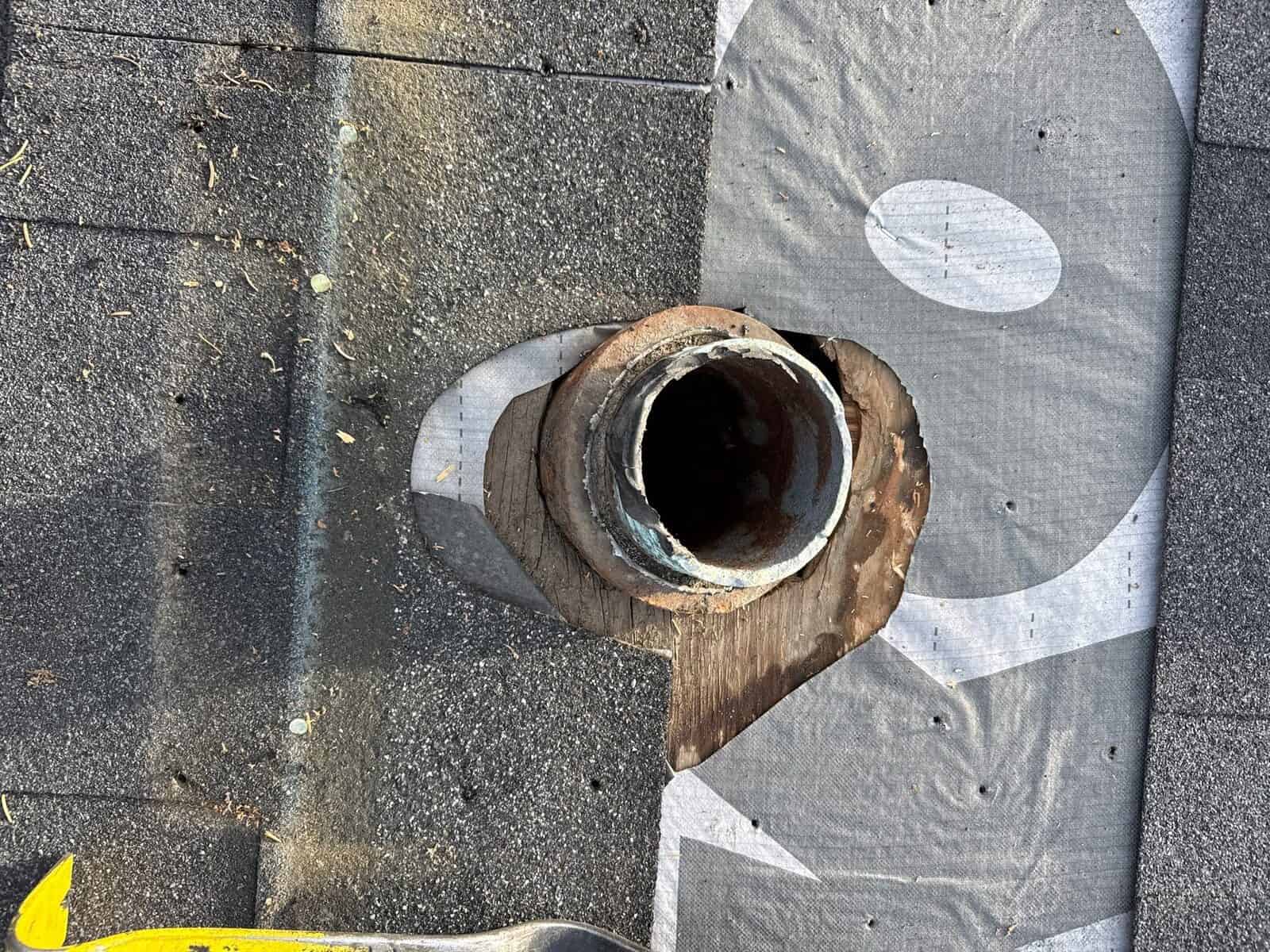
If you had a high-efficiency furnace installed, used a humidifier heavily, upgraded windows or doors, added insulation, had electrical work done, or noticed ceiling stains after winter, this is a good time to start addressing the concern instead of waiting for another cold spell to expose it again.
For more background, we already have detailed guides on humidifiers and roof damage, roof condensation, and attic rain. This post is the short version: if the way your home heats, holds humidity, or breathes has changed, your attic may be worth checking.
Honest Roof Inspection Advice in Calgary
If you do not want to check these things yourself, or you get stuck trying to understand what you are seeing, we are happy to help. We give honest, transparent advice with photos, so you can see the concern for yourself instead of being pushed into work you may not need.
A practical roof inspection can help determine whether you are looking at normal wear, a roof leak, attic condensation, blocked ventilation, misplaced insulation, or leftover winter moisture damage. You also get another set of eyes on the rest of the roof while we are there.